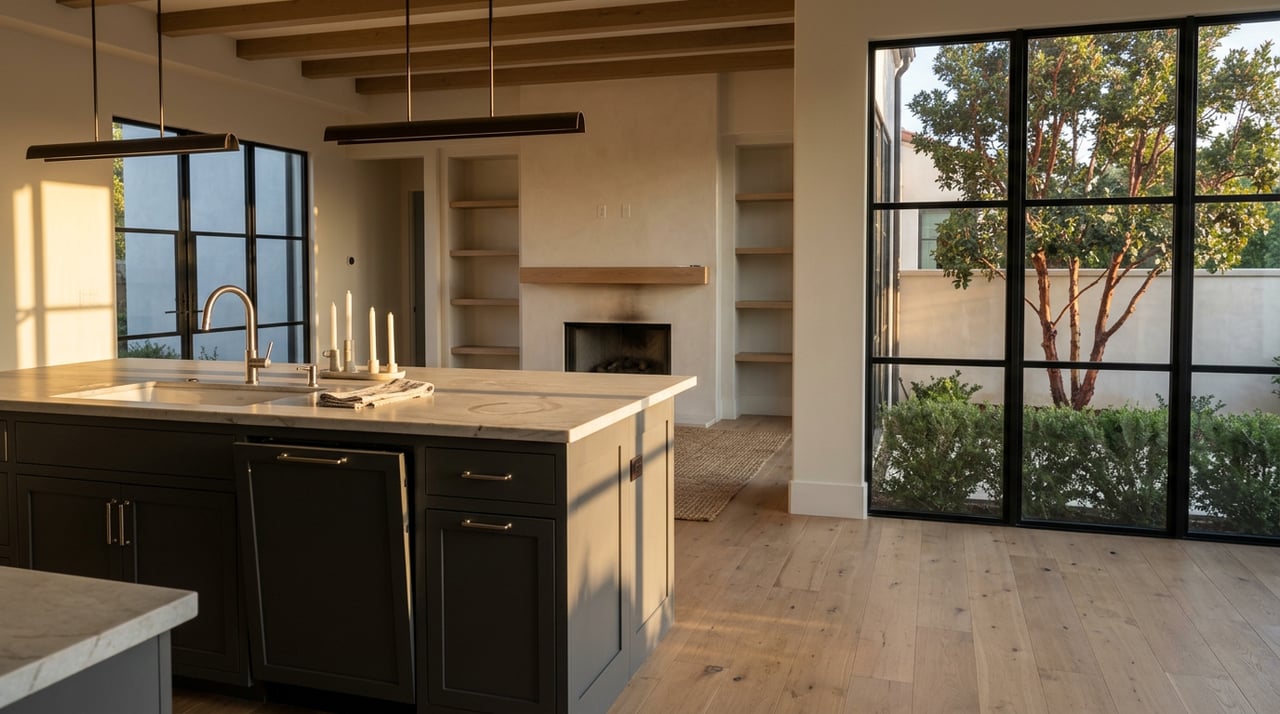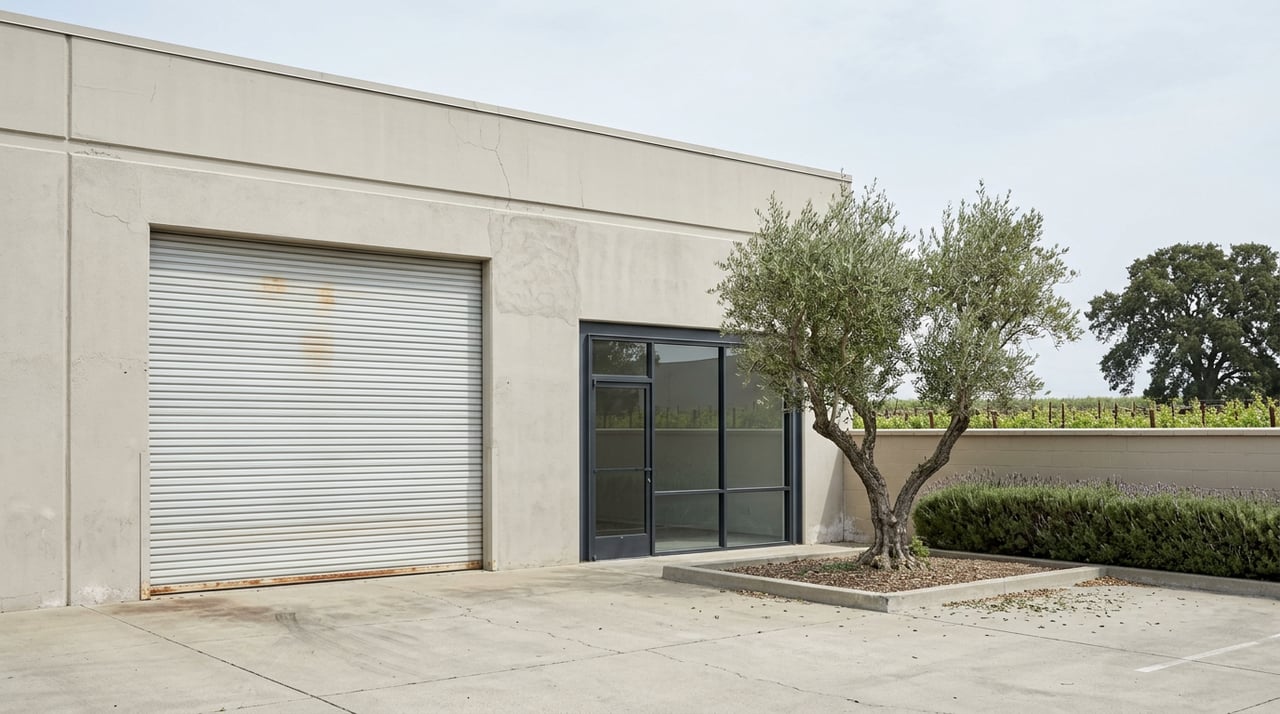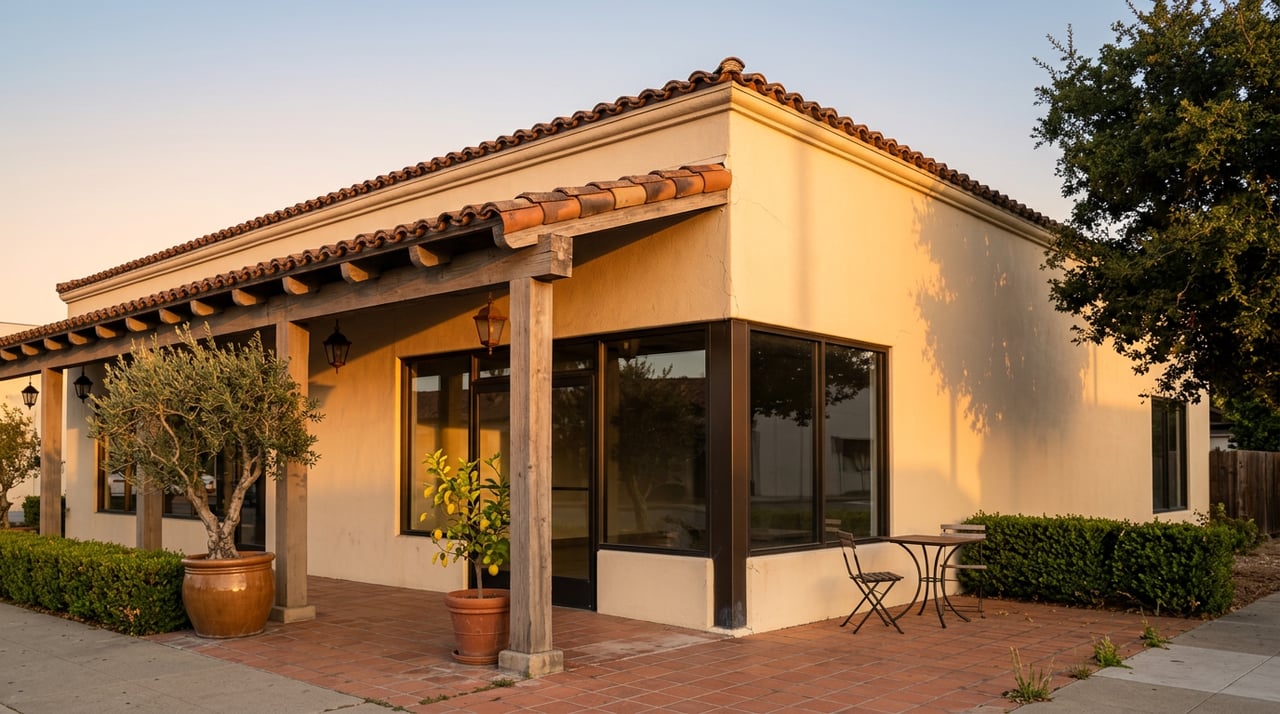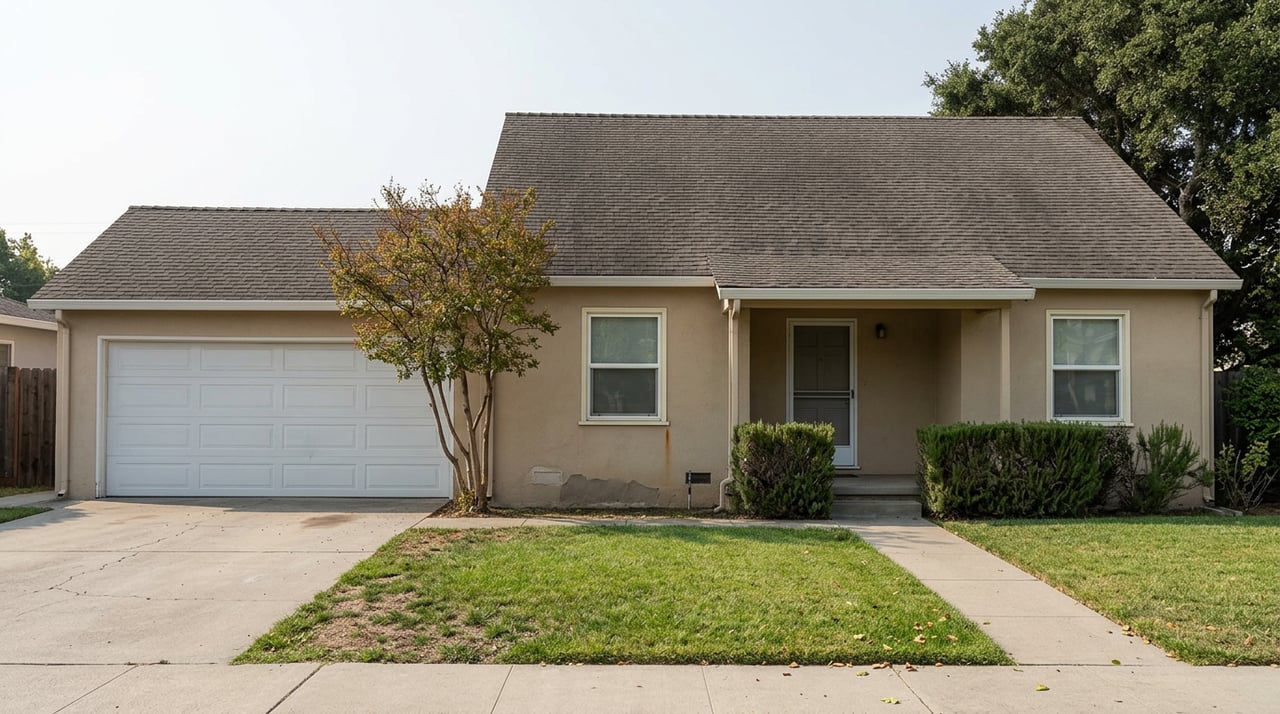
A five-unit, purpose-built student housing property recently came up for sale in the Ferrini Heights area, a short walk from Cal Poly and the Bishop Peak trailhead. It was fully leased, generating roughly $24,775 a month in gross rent, close to $297,300 a year. On paper, that is exactly the kind of number that has drawn investors and house-hacking parents to San Luis Obispo for decades: buy close to campus, rent by the room to a rotating supply of students, and let a captive tenant pool do the heavy lifting.
That number is real. But the assumption underneath it, that Cal Poly's enrollment will keep spilling into the off-campus rental market the way it always has, is the part worth questioning right now. Starting this fall, the university is making a deliberate, well-funded push to keep more of its own students out of the neighborhood rental pool entirely. If you are comparing San Luis Obispo to other Central Coast towns as an investment or a family purchase near campus, this is the mechanism that should change your math, not the median price.
The Assumption Baked Into Every SLO Rental House
San Luis Obispo's off-campus rental market has worked a certain way for a long time. Cal Poly enrolls tens of thousands of students, the campus sits at the north edge of a compact 14-square-mile city, and by the university's own accounting, more than 60% of its students live off campus in any given year, according to Cal Poly's Off-Campus Housing Program. That steady overflow is what has made four- and five-bedroom houses near campus, especially in areas like Ferrini Heights and Foothill, some of the most reliable rental income properties on the Central Coast. High demand, limited hillside land for new construction, and a university that mostly stayed out of the housing business kept the math simple: buy near campus, rent by the bed, repeat.
That third piece is the one changing.
Three Shifts Landing in the Same Fall
What makes this fall different is not one policy change. It is three of them arriving in the same academic year.
- Cal Poly's two-year on-campus housing requirement, previously limited to a handful of colleges, now extends to every incoming first-year student starting with the 2026-27 academic year. Students are told not to sign an off-campus lease for their second year without an approved exemption, and those exemptions are narrow: local family residence, agricultural housing, or specific financial-hardship criteria.
- The university's Future Housing Plan, a roughly $1 billion, 10-year buildout launched in 2024, is adding an estimated 3,500 to 4,000 new beds. The first new residence hall opens this fall with just over 500 beds, and a second building follows in 2027 with roughly 700 more.
- Cal Poly is also converting from a quarter system to semesters this same year. Academic year housing contracts now run from August through May instead of the old quarter calendar, which compresses and shifts the entire off-campus leasing window that landlords and property managers have built their marketing calendars around for years.
Cal Poly's own facilities leadership has been candid about the intent. Vice President for Facilities Management and Development Mike McCormick has described his job as building enough on-campus infrastructure that enrollment growth does not spill into the surrounding neighborhoods, starting with student housing. San Luis Obispo City Councilmember Emily Francis put it plainly at a recent public meeting when she said she was glad to finally see bed growth outstripping enrollment growth, something the city had not seen reflected on the numbers two years earlier.
None of this means Cal Poly is shrinking. The university plans to add about 2,000 students over the next five years, growing toward 25,000 total by 2030. Total housing demand in San Luis Obispo is not going away. What is changing is where that demand lands. More of it is being absorbed inside the campus fence line, in buildings the university owns and operates, rather than spilling into the rental houses that investors and small landlords have depended on.
Freshmen and Sophomores Are the First to Disappear From the Rental Pool
The two-year residency rule is the piece that hits hardest for anyone holding or buying a classic student rental. Freshmen were already required to live on campus in most cases. Sophomores were not, and sophomore year is exactly when many Cal Poly students historically moved into a shared house near campus, often the same house they stayed in through graduation. Extending the requirement through the second year removes an entire cohort from that transition point, the moment when a five-bedroom house near Ferrini or Foothill would normally pick up a fresh group of tenants signing their first off-campus lease.
That does not eliminate off-campus demand. It shifts it toward juniors, seniors, and graduate students, a smaller and more experienced pool that tends to be pickier about condition, price, and lease terms, and less willing to accept the bare-bones setups that worked fine for a group of sophomores getting their first apartment.
The Calendar Changed Too
The quarter-to-semester conversion is a quieter shift, but it matters for anyone timing a purchase or a lease-up. Under the old quarter system, Cal Poly's academic year ran on a different rhythm than most California universities, and off-campus leasing followed suit. Under semesters, contracts now run roughly August through May.
| Old quarter-based cycle | New semester-based cycle (fall 2026 onward) | |
|---|---|---|
| Academic year housing contracts | Tied to quarter calendar, historically extending into June | August through May |
| Timing of off-campus leasing decisions | Spread across the academic year | Compressed earlier, decisions made further in advance |
A property manager who is used to marketing a rental house on the old cycle and expecting late-arriving demand may find leads dry up sooner than expected. That is a scheduling problem as much as a market one, and it is worth asking about before assuming a vacancy will fill itself the way it always has.
What This Means If You're Buying Near Campus Right Now
None of this makes a San Luis Obispo rental house a bad purchase. It changes what due diligence should look like. A few things worth checking before you write an offer on anything marketed as student housing near Cal Poly:
Ask who the current and recent tenants actually are. A property leased consistently to juniors, seniors, or graduate students is in a very different position than one that has depended on sophomore turnover. Purpose-built student housing, like the units in Ferrini Heights, tends to be built and marketed toward upperclassmen and is less exposed to the freshman-sophomore pullback than an older single-family house that has informally functioned as a group rental.
Look at where the new beds are actually going up relative to where the investment property sits. Cal Poly's new residence halls are concentrated on campus itself, so a rental house a mile or more away is competing with a very different product than one within easy walking distance of the new construction.
Factor in the compressed leasing calendar when you underwrite vacancy risk. A house that historically filled by early summer under the quarter system may need to be marketed earlier now that student decisions are being made further in advance.
And keep the enrollment growth in view. Cal Poly adding 2,000 students by 2030 means total housing demand in San Luis Obispo is still expanding. The city's median sale price sat near $1.1 million as of the three months ending in May 2026, and San Luis Obispo County's median listing price was reported at $1.1 million in January 2026 by Realtor.com data compiled through the Federal Reserve's public FRED database. Prices that high mean the by-the-room rental structure still matters for the numbers to work. It just needs a more precise tenant strategy than "any Cal Poly student will do."
A Few Questions Worth Asking Before You Buy
Does this mean student rental houses in San Luis Obispo are no longer worth buying? Not necessarily. It means the safest version of that strategy now leans toward properties that already attract juniors, seniors, and graduate students, or purpose-built units designed for that tenant base, rather than houses that have relied on a steady stream of incoming sophomores.
Are some neighborhoods less exposed to this than others? Properties closer to where Cal Poly's new residence halls are being built will feel more direct competition for the youngest renters. Areas that already skew toward upperclassmen and graduate housing, and properties marketed as purpose-built student housing rather than converted single-family homes, tend to have more insulation.
Where can I check the university's current housing policy before making an offer? Cal Poly publishes its residency requirements and Future Housing Plan details directly on its University Housing site, and it is worth reading the current version before underwriting any purchase built around student tenants, since exemption criteria and building timelines can shift year to year.
Thirty years of watching real estate cycles, including the investment side of it, has taught me that the properties that hold up are the ones bought against what is actually happening, not what has always been true. If you are weighing a rental purchase near Cal Poly, or comparing San Luis Obispo to Nipomo, Arroyo Grande, or Atascadero for an investment property, I would rather walk through the current numbers with you before you make an offer than after. Reach out to James Gallegos and let's connect.